Sessions are one-on-one with a licensed physical therapist, not an aide or technician. Your therapist will explain what’s happening in plain language, set realistic recovery goals, and give you a home program that keeps progress happening between visits. Whether your symptoms started yesterday or have been bothering you for years, a structured PT program can make a meaningful difference.
Miami Physical Therapist – Physical Therapy Services


- About Us
- Why Choose Us?
- Services
- Español
- Shop
- Areas Served
- Miami
- Alameda
- Allapattah
- Brickell
- Coconut Grove
- Coral Gables
- Coral Terrace
- Coral Way
- Design District
- Doral
- Downtown Miami
- Edgewater
- El Portal
- Flagami
- Fontainebleau
- Granada
- Grapeland Heights
- Hialeah
- Hialeah Gardens
- Key Biscayne
- Little Havana
- Medley
- Miami Lakes
- Miami Springs
- Midtown
- Opa-locka
- Palmetto Bay
- Pinecrest
- South Miami
- Sweetwater
- The Roads
- Town Park Estates
- Tamiami
- University Park
- Upper Eastside
- Virginia Gardens
- West Flagler
- West Miami
- Westchester
- Wynwood
- Miami Airport (MIA)
- FIU
- Resources
- Contact Us
Conditions
Physical Therapy for Flat Feet / Fallen Arches in Miami
Flat feet, or fallen arches, occur when the arch along the inside of the foot flattens under load, which can be a lifelong trait or something that develops gradually with age, weight gain, or weakening of the muscles and tendons that support the arch. Not every flat foot causes pain, but when it does, the strain often radiates into the ankle, knee, or lower back.
Clinics commonly treat flexible and rigid flat feet, posterior tibial tendon dysfunction contributing to arch collapse, overpronation-related pain in the foot and ankle, secondary knee or hip discomfort linked to altered lower-body alignment, and arch fatigue after long periods of standing or walking.
Some patients have had flat feet since childhood and are only now developing symptoms; others notice their arches gradually flattening over the years and want to address the discomfort it is starting to cause. For all of our services, click here.
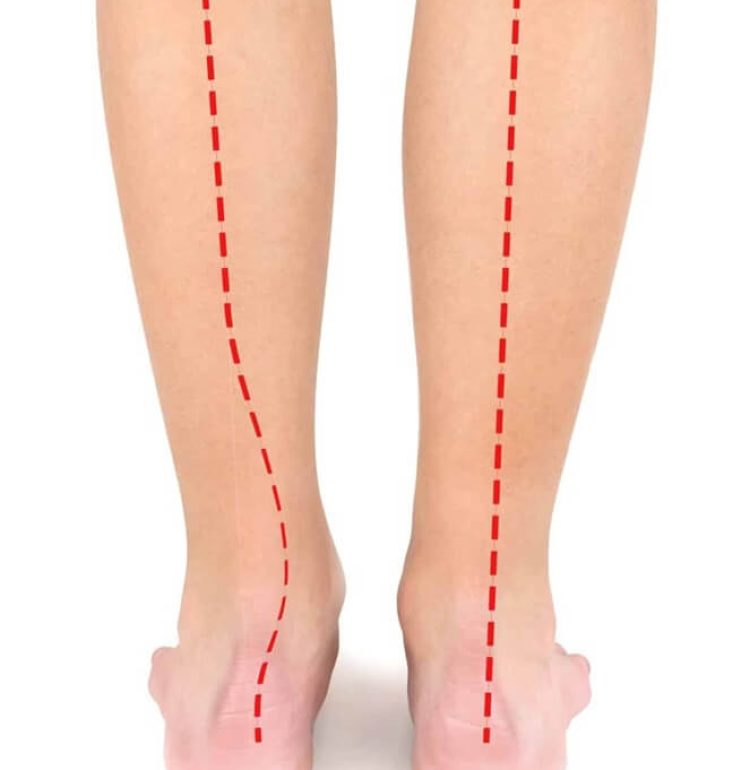
Hands-On Physical Therapy in Miami
Common Causes and Symptoms
- Visible flattening of the arch when standing
- Foot or ankle fatigue after standing or walking for long periods
- Pain along the inside of the ankle or arch
- Secondary knee, hip, or low back discomfort
- Uneven wear pattern on the inside of shoes
Our Treatment Approach
The primary driver of recovery is progressive strengthening of the intrinsic foot muscles, posterior tibial tendon, and hip stabilizers, paired with gait retraining to reduce excess pronation.
Manual therapy techniques such as soft tissue mobilization and joint mobilization of the foot and ankle support this process by improving mobility so the strengthening program can be performed effectively, but they are not the main treatment.
Why Movement-Based Care Works
An off-the-shelf insert might offer temporary cushioning, but it does not build the strength in the foot, ankle, and hip muscles that actually support the arch during daily movement. Physical therapy is built around strengthening that support system.
So physical therapy is built around retraining the muscles and movement patterns behind the problem, not just easing today’s discomfort. Over a course of care, patients build the intrinsic foot strength, ankle stability, and movement awareness needed to reduce strain on the arch and the joints above it.
Who This Helps
- Adults with lifelong flat feet who are newly experiencing pain
- People noticing their arches gradually flattening with age or weight change
- Runners and walkers with overpronation-related foot or knee pain
- Adults on their feet for long periods at work
- People with related knee, hip, or low back discomfort linked to foot alignment
- Anyone with posterior tibial tendon-related arch pain
- Miami Physical Therapist Providing One-on-One Care Since 1999
Why Choose Us
Since 1999, Physical Therapy Services has provided personalized, one-on-one care focused on helping patients move better, recover safely, and improve their quality of life.
- One-on-One Care: Every patient is personally evaluated and treated by Hermi Jara, PT, founder and clinical director.
- Orthopedic Rehabilitation Innovator: Designed a rehabilitation device used by orthopedic physicians and Olympic athletes (Patent US20170135837A1).
- Most Insurance Accepted, Including Medicaid, Plus a Discounted Cash Option.
No Referral Needed: Under Florida Statute 486.021, you can see a physical therapist without a physician referral (we verify your plan’s requirements before your first visit).
- Same-Week Appointments.
- English & Spanish Staff.
- Convenient Location & Parking: Centrally located on W Flagler St with easy access from the Palmetto Expressway (SR-826), the Dolphin Expressway (SR-836), and Florida’s Turnpike, plus ample surface and covered parking behind the building.
- Advanced Training in Diagnostic Imaging: Designed to pinpoint your pain and better target your treatment.
- Comprehensive care for your physical therapy needs: Physical Therapy, Manual Therapy, Post-Surgical Rehabilitation, Pelvic Floor Therapy, Vestibular Therapy, Sports Injury Rehabilitation, Functional Wellness & Healthy Aging, and Balance & Mobility Training.
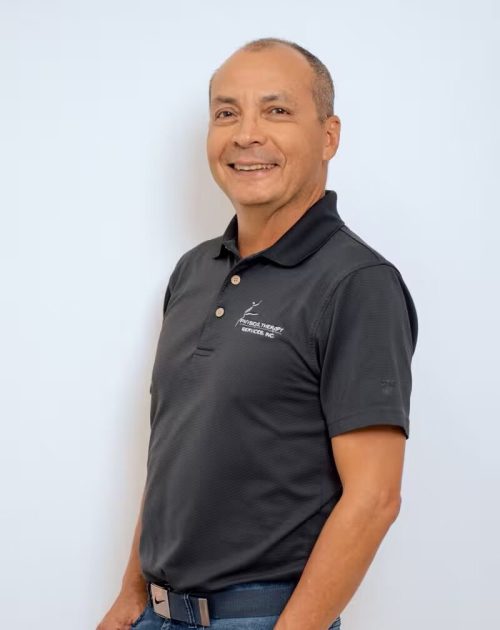
Hermi Jara, PT – Founder & Clinical Director
Hermi Jara, PT – Founder & Clinical Director
Your Physical Therapy Appointment
What to Expect at Your First Visit
- 8390 W Flagler St Ste 203, Miami, FL 33144
- Monday-Thursday : 7AM - 7PM
FAQ
1. Do I Need a Referral to Start Physical Therapy?
Many patients can begin treatment without a physician referral, depending on their insurance plan and condition. We can help verify your eligibility before your first visit.
2.Will my insurance cover physical therapy?
We accept most major insurance plans and can help you understand your coverage, benefits, and any expected out-of-pocket costs before starting care.
3. What Should I Bring to My Appointment?
Please bring your prescription/referral (if applicable), insurance card, and photo ID. Wear comfortable clothing that allows for movement.