Miami Physical Therapist – Physical Therapy Services


- About Us
- Why Choose Us?
- Services
- Español
- Shop
- Areas Served
- Miami
- Alameda
- Allapattah
- Brickell
- Coconut Grove
- Coral Gables
- Coral Terrace
- Coral Way
- Design District
- Doral
- Downtown Miami
- Edgewater
- El Portal
- Flagami
- Fontainebleau
- Granada
- Grapeland Heights
- Hialeah
- Hialeah Gardens
- Key Biscayne
- Little Havana
- Medley
- Miami Lakes
- Miami Springs
- Midtown
- Opa-locka
- Palmetto Bay
- Pinecrest
- South Miami
- Sweetwater
- The Roads
- Town Park Estates
- Tamiami
- University Park
- Upper Eastside
- Virginia Gardens
- West Flagler
- West Miami
- Westchester
- Wynwood
- Miami Airport (MIA)
- FIU
- Resources
- Contact Us
Conditions
Physical Therapy for Torticollis / Wry Neck in Miami
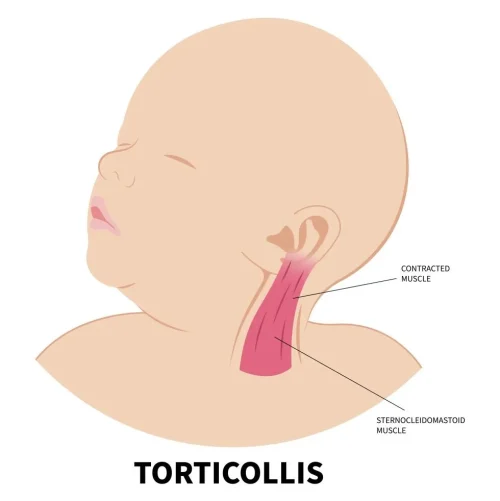
Torticollis, commonly called wry neck, is a visible tilt or rotation of the neck to one side caused by muscle spasm, joint restriction, or, in infants, a tight sternocleidomastoid muscle present from birth.
Adult cases usually appear suddenly, often after sleeping in an awkward position or a quick, unguarded movement, while infant torticollis is a separate, longer-developing condition identified in the first weeks or months of life.
Clinics commonly treat acute adult wry neck as well as recurring muscular torticollis linked to muscle imbalance or joint dysfunction in the upper cervical spine.
Pain and an obviously limited ability to turn or tilt the head are the hallmark symptoms, and they typically ease over days to a couple of weeks with the right care. For all of our services, click here.
Hands-On Physical Therapy in Miami
Common Causes and Symptoms
- Sleeping in an awkward position (acute wry neck)
- Sudden muscle spasm in the neck
- Tight sternocleidomastoid muscle present from birth (congenital muscular torticollis)
- Muscle imbalance around the cervical spine
- Upper cervical joint dysfunction
- In rare cases, an underlying neurological condition such as cervical dystonia
Our Treatment Approach
For adults with acute wry neck, treatment centers on muscle energy technique, a manual therapy technique that uses gentle isometric contract-relax stretching to release the spasming muscle, combined with heat and gradual active range of motion.
Infant congenital muscular torticollis is a distinct condition requiring a pediatric-specific stretching and positioning program, including tummy time and repositioning strategies, rather than the adult approach described above, and is typically managed by a therapist with pediatric training.
Why Movement-Based Care Works
Left alone, an acute wry neck can take much longer to resolve, and the muscle guarding that builds up while waiting it out often makes the underlying spasm worse.
Physical therapy speeds recovery by directly releasing the spasming muscle and restoring joint movement, rather than leaving the body to slowly work through the guarding pattern on its own, which is why most adult cases improve significantly faster with hands-on care than without it.
Your Physical Therapy Appointment
What to Expect at Your First Visit
Sessions are one-on-one with a licensed physical therapist, not an aide or technician. Your therapist will explain what is happening in your neck in plain language, set realistic recovery goals, and give you a home program that keeps progress happening between visits. Whether your symptoms started yesterday or have been bothering you for years, a structured PT program can make a meaningful difference.
- 8390 W Flagler St Ste 203, Miami, FL 33144
- Monday-Thursday : 7AM - 7PM
FAQ
1. Do I Need a Referral to Start Physical Therapy?
Many patients can begin treatment without a physician referral, depending on their insurance plan and condition. We can help verify your eligibility before your first visit.
2.Will my insurance cover physical therapy?
We accept most major insurance plans and can help you understand your coverage, benefits, and any expected out-of-pocket costs before starting care.